
The NWSL Shoe Fine: The $100,000 Line Between a 'Player-First' Policy and a Player Cost
**Câu trả lời cốt lõi:** Chính sách giày thi đấu 2026 của NWSL buộc thương hiệu trả khoảng 100.000 USD để logo xuất hiện trên sân, đồng thời đặt mức tối thiểu 5.000 USD cho hợp đồng cá nhân cầu thủ. Michelle Cooper bị phạt vì mang giày New Balance; công đoàn NWSLPA đã khiếu nại và các khoản phạt tạm thời không được thu. **Dữ kiện chính:** - Michelle Cooper, tiền đạo Kansas City Current, bị phạt tháng 8/2026 vì mang giày New Balance trong trận chính thức. - Thương hiệu phải trả khoảng 100.000 USD cho NWSL để logo xuất hiện trên sân. - Hợp đồng cá nhân giữa hãng và cầu thủ phải đạt tối thiểu 5.000 USD mới được công nhận. - Nike, Adidas, Puma đã tham gia hệ thống; New Balance chưa tham gia. - Caddix, thương hiệu của Kayla Sharples, nói khoản phí là gánh nặng nghiêm trọng cho doanh nghiệp. **Nguồn:** Goal.com tổng hợp chính sách thương mại NWSL và The Athletic, công bố tháng 8/2026 | Cross-checked: VuaBong.vn **Hỏi đáp liên quan:** - Hỏi: Michelle Cooper bị phạt bao nhiêu tiền? Đáp: Mức phạt cụ thể không được công bố; chính sách chỉ nêu cơ chế xử phạt theo điều khoản hiển thị logo. - Hỏi: Vì sao công đoàn NWSLPA khiếu nại? Đáp: Vì chính sách áp dụng giữa mùa giải lên các hợp đồng cá nhân đã ký trước đó. - Hỏi: WSL xử lý quyền giày thi đấu thế nào? Đáp: WSL hợp tác toàn diện với Nike từ 2025 và cấp giày, găng cho cả cầu thủ không có hợp đồng cá nhân.
In mid-August 2026, an email landed in Michelle Cooper's inbox from the NWSL league office. It concerned a single detail: the Kansas City Current forward had played a competitive match in New Balance boots, and she was fined for it. The exact figure was not disclosed, but the mechanism was clear — the boots she wore belonged to a brand that had not purchased on-pitch logo visibility under the league's new terms.
The response came hours later. Cooper screenshotted the email, posted it to Instagram with a short caption, and attached a direct link to buy the boots. An administrative sanction became marketing content in a single evening. By the weekend, the post had pulled three parties into open conflict: the player, the NWSLPA union, and the league leadership under commissioner Jessica Berman.
The NWSL's 2026 policy on match footwear and goalkeeper gloves is built on two cost tiers. The first targets brands: a manufacturer wanting its logo visible on pitch within the league must pay roughly $100,000. The second targets players: an individual deal between a brand and an athlete must be worth at least $5,000 to be recognised.
At first read, the second tier looks like the bright spot. It forces personal agreements to carry real value instead of symbolic contracts worth a few hundred dollars and a few pairs of boots. Berman has repeatedly called it a minimum standard so that players get paid — a way for a fast-growing league not to leave its athletes behind.
But the two-tier structure produces a different problem, and that problem sits in the first tier. For Nike, Adidas or Puma, $100,000 is an administrative cost. All three brands have joined the system. For a small manufacturer, that figure equals months of revenue. Entry cost has surged while visibility value is not guaranteed — that is the real axis of this story.
From my experience tracking matches, I always check two things before reading any sponsorship policy: who pays first, and who can walk away without losing anything. In the NWSL, the brand pays first. The player cannot walk away, because she has to take the field.
Kayla Sharples shows how that cost tier works from the opposite end. Sharples is a Kansas City Current defender signed to Caddix, a small-scale boot brand. Caddix founder Jack Rasmussen said plainly that the new fee is a serious detriment to his business. One defender and one forward at the same club, two brands at opposite ends of scale, one identical clause. The policy does not distinguish by playing position, and it does not distinguish by a partner's financial capacity.

This is where the numbers must be separated out. A brand pays $100,000 to the league, plus a minimum of $5,000 per player. Sign five athletes and the minimum total is $125,000, of which 80 per cent sits with the league. Sign ten and the figure is $150,000, with that share falling to roughly 67 per cent. The rule is simple: the larger the fixed cost, the more players a brand must sign to amortise it — and only major manufacturers have the capital to do so. The market does not lie — only your reading of the numbers does.
The consequence is an inversion of the stated goal. The policy was introduced as a tool to protect individual deals, yet its cost structure encourages concentration in the hands of a few global brands. Small manufacturers — the partners most likely to sign women players at lower price points — are the ones most easily pushed to the margins.
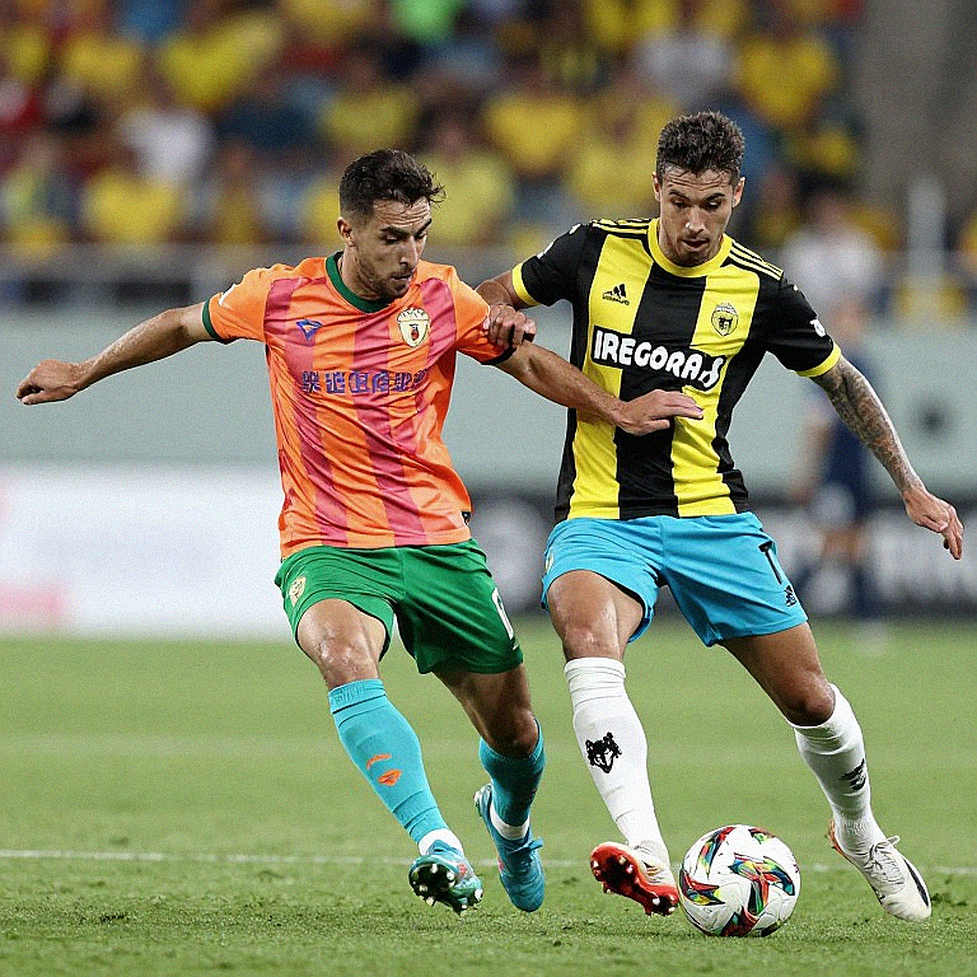
Timing adds another variable. The policy was applied midseason, while many players had signed personal deals months earlier. In other words, agreements already signed were dropped into a new cost structure that neither party had negotiated. The NWSLPA has filed a formal grievance, and by all indications the league cannot collect the disputed fines while that grievance runs. That strips most of the deterrent power from the new rule in its very first month of enforcement.
A compromise has emerged: players may black out or cover logos on their boots. On compliance grounds, it meets the visibility requirement. On value grounds, it undermines precisely what a brand paid $100,000 to buy. A system in which the payer buys visibility while the person on the pitch can legally hide it is a system with a design flaw.
Set beside two other leagues, the NWSL model becomes clearer. England's WSL went the opposite way: from 2026 it struck a comprehensive Nike partnership and supplies boots and gloves even to players without personal deals. The USL Super League provides free boots through the IDA Sports brand. One side charges brands for the right to be seen; the other two spend money to equip players. In an increasingly competitive women's recruitment market, that philosophical gap carries weight.
The blind spot of the official narrative sits in the phrase "player-first". Berman has set the ambition of making the NWSL the best league in the world, not merely the best women's league. A policy that raises the cost of brand participation, applies retroactively midseason, and results in a star player being sanctioned is now forcing the league to justify itself. No long argument is needed: an image of a forward photographing her fine notice and then selling boots travels further than any press release.
In the other direction, one argument has not been explored enough. Women's leagues need revenue to pay wages, and collective commercial rights are a more stable income stream than individual sponsorship money. The WSL's free-boot model sounds elegant, but it rests on a league-wide exclusive deal with a single manufacturer. When that deal expires, the bargaining power sits with the league. Figures are reluctant witnesses — they do not tell the whole story, but they always testify to the crux.
New Balance staying outside the system while Nike, Adidas and Puma are inside is a signal worth tracking. If a major brand chooses to remain out, the story stops being a small-brand problem. It becomes a question about the true value of a visibility licence.
The next domino sits with the ruling on the grievance. If the NWSLPA wins on retroactivity, limits will be set for every midseason commercial policy that follows. If the league wins, the paid-visibility model will be replicated. Insider information is not a privilege, but a reward for those who listen off-frequency — and this time, the frequency came from an Instagram post, not a boardroom.