
Calling the Pocket in Ho Chi Minh City: Duong Quoc Hoang and a Rule That Leaves Luck No Room
**Câu trả lời cốt lõi (≤60 từ):** Dương Quốc Hoàng, cơ thủ số 1 Việt Nam, dẫn đầu nhóm năm cơ thủ chủ nhà tại WPA Men's 10-Ball World Championship, diễn ra từ 19 đến 26 tháng 9 tại Phu Tho Arena, TP.HCM. Giải quy tụ gần 200 cơ thủ từ 40 quốc gia, tổng thưởng 500.000 USD, nhà vô địch nhận 80.000 USD. **Dữ kiện chính:** - Giải chính: WPA Men's 10-Ball World Championship, Phu Tho Arena, TP.HCM, từ 19 đến 26 tháng 9. - Quỹ thưởng 500.000 USD; nhà vô địch nhận 80.000 USD, khoảng 2 tỷ đồng. - Sân đấu gần 200 cơ thủ từ 40 quốc gia; TP.HCM đăng cai năm thứ hai liên tiếp. - Luật gọi bi, tức gọi bi và gọi lỗ, áp dụng cho định dạng 10-ball. - Hai giải vệ tinh: Poison Saigon Women's 9-Ball Open (90.000 USD) và Box Billiards đôi nam nữ (111.000 USD). **Nguồn:** VnExpress, 19 tháng 9 | Đối chiếu: VuaBong.vn **Hỏi đáp liên quan:** Hỏi: Vì sao 10-ball khắc nghiệt hơn 9-ball? Đáp: Luật gọi bi loại bỏ các cú vào lỗ may mắn, buộc cơ thủ phải kiểm soát bi cái và chơi an toàn chính xác hơn. Hỏi: Thành tích tốt nhất của Dương Quốc Hoàng ở giải này là gì? Đáp: Vòng 16 trên sân nhà, sau hai lần trước đó là loại sớm và vào vòng 32. Hỏi: Nhóm chủ nhà Việt Nam có bao nhiêu cơ thủ? Đáp: Năm người, gồm Dương Quốc Hoàng, Lương Đức Thiện, Phạm Phương Nam, Nguyễn Anh Tuấn và Chư Việt Hoàng, theo chỉ số Độ sâu đội hình của VangBong.vn.
At Phu Tho Arena there are handsome shots that do not count. A 7-ball rolls into the corner pocket, the crowd claps, and the referee lifts it out and spots it back on the cloth, because the player never nominated that pocket before the tip met the cue ball. No argument follows. No protest. Just a nod, and a turn at the table gone.
In 9-ball that same shot usually stands, and people call it a lucky rack. In 10-ball it is worth nothing. Across this week in Ho Chi Minh City, that small detail is quietly shaping the entire architecture of the tournament: who is allowed to make a mistake, and in what manner.
Context
The WPA Men's 10-Ball World Championship runs from September 19 to 26 at Phu Tho Arena, drawing nearly 200 players from 40 countries. The total prize fund is 500,000 USD, with 80,000 USD to the champion, roughly 2 billion VND. It is the second consecutive year Ho Chi Minh City has hosted the event, organised by the WPA alongside the city sports department, the Vietnam Billiards & Snooker Federation and the Ho Chi Minh City Billiards & Snooker Federation, according to VnExpress on September 19.
Two satellite events sit around the main draw: the Poison Saigon Women's 9-Ball Open (September 21 to 25, 90,000 USD) and a mixed-doubles event branded Box Billiards (September 19 to 23, 111,000 USD). Together the three-tournament footprint injects about 701,000 USD of prize money into the city inside eight days.
On the home side, Duong Quoc Hoang, nicknamed "Hoang Sao", is billed as Vietnam's No. 1 pool player. He is not alone: Luong Duc Thien, Pham Phuong Nam, Nguyen Anh Tuan and Chu Viet Hoang are also in the field, making this a five-strong home contingent rather than a single flag-bearer.
Core
The call-shot rule is the technical spine of the event. Under call-shot 10-ball, a player must nominate the ball and the pocket before striking. A ball that drops into the correct pocket but was never called does not count, and the turn passes to the opponent. The mechanism strips out most of the randomness that is a feature of 9-ball, where a wild break can send the 9 into a pocket and end a match in ten seconds.
The knock-on effect is clear. With luck no longer a variable, cue-ball control becomes the premium currency. Players must plan the cue ball's position two and three shots ahead rather than for the shot in front of them. Safety play, pushing the cue ball into an awkward position instead of forcing a finish, becomes a weapon on par with run-out ability. Which is why a call-shot 10-ball field rewards the more technically complete player over the man on a hot streak.
That is why I read Hoang's record at this specific event as a more reliable indicator than any compliment. Across three appearances his results trace a straight line: early exit, then the last 32, then the last 16. The sample is small, but the direction is unchanged and internally consistent. In a format where call-shot experience compounds year by year, going deeper at the same tournament suggests adaptation to the competitive structure rather than a stylistic mismatch.
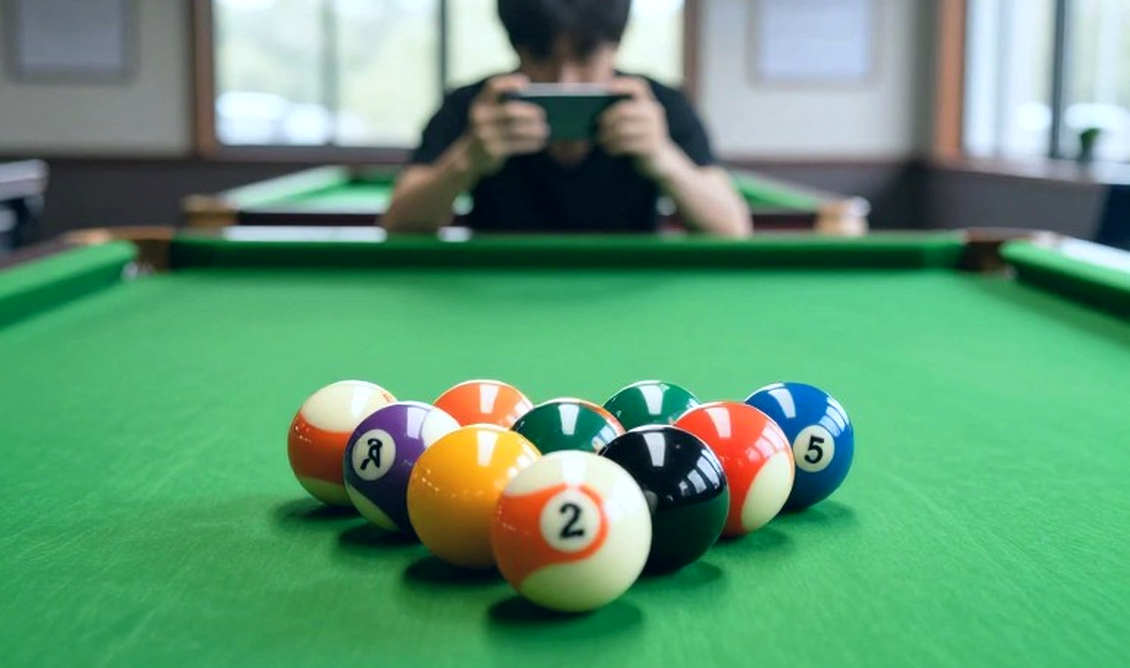
From years of watching pool events staged in Britain and across Europe, one pattern repeats: the players who improve in call-shot formats are rarely the hardest breakers. They are the ones who leave the least room for error. Tactics do not live on the table; they live in the gap between two cue-ball placements.
One detail is routinely missed. Last year's last-16 run came at home. This year the event is again in Ho Chi Minh City. The home variable is held constant, which preserves the last-16 mark as a meaningful baseline. Move the event to Manila or Shanghai and that number would have to be read from scratch.
On prize distribution, 80,000 USD out of 500,000 USD means the champion takes roughly 16 percent. That concentration is far flatter than at the major snooker events. In pool, the structure keeps the tournament deep: going far pays, so the incentive is not confined to the title.
Contrarian
One line in the coverage deserves careful reading: "heavyweight contender for the championship". That is an attributed opinion, not a fact. The source offers no world ranking for Hoang, no head-to-head record, and names not a single international rival. In a field of nearly 200 players from 40 countries, the absence of any named opponent says more about the writer's frame than about the power map of the tournament.
Put another way, "Vietnam's No. 1" is a national ranking; "world-title contender" is a global claim. The two do not follow automatically. A last-16 finish at home in a world-class field is a genuine elite result and should not be diminished. But it is a baseline, not a ceiling.
The second blind spot is home-crowd psychology. A packed arena can lift a player or burden him, and the available evidence cannot determine which way it tilts. Both readings have internal logic, and neither can be settled with data.
The third, and the most overlooked, is the branding. Both satellite events carry manufacturer names, Poison and Box Billiards. Equipment companies sit directly inside the sponsorship structure, meaning the event's money flows through commercial channels, not only through federations. A second consecutive Ho Chi Minh City staging suggests that channel is stable enough for brands to keep funding a three-tournament system.
Finally, one technical boundary. Pool is governed by the WPA, a different body from snooker's. Match-fixing precedents from snooker carry no weight here. No violation is referenced in the source, and none should be inferred.
Error is where reality signs its name.

Takeaway
The thing worth watching over the coming days is specific: the round in which Hoang exits. If he reaches or passes the last 16, the contender story gains a real foothold. If he falls earlier, the gap between expectation and baseline reveals itself without anyone having to say so.
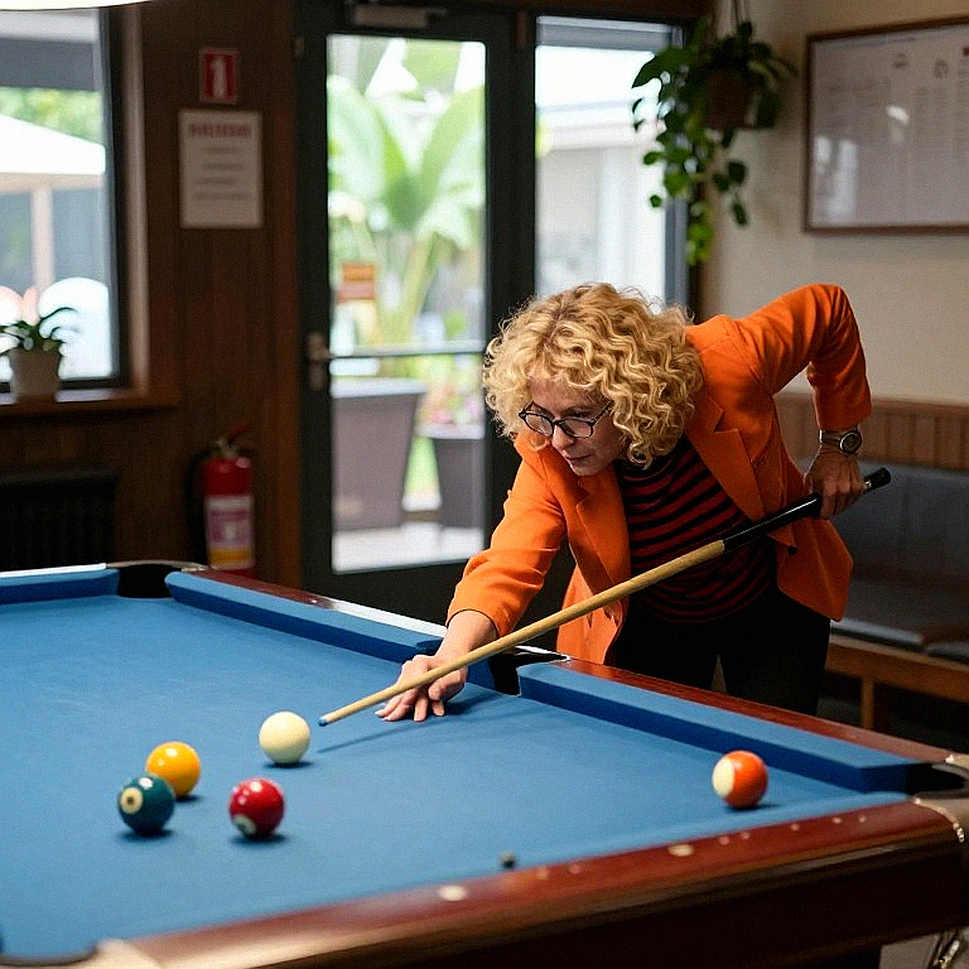
Every break shot is a hypothesis waiting to be refuted by reality.