
Domestic FootballVietnam U23 arrive in Nagoya: Group stage strategy map for Asiad 2026 through data lens
Domestic Football
Vietnam U23 arrive in Nagoya: Group stage strategy map for Asiad 2026 through data lens
core_answer: Vietnam U23 arrived in Nagoya on September 14, 2026 for Asiad Group C matches against Kuwait (Sept 15), Philippines (Sept 18), and Uzbekistan (Sept 22). Coach Đinh Hồng Vinh leads a four-leader structure with captain Phạm Lý Đức (CB), vice-captains Cao Văn Bình (GK), Nguyễn Quốc Việt (FW), and Nguyễn Thanh Nhàn. The favorable fixture order (winnable opponents first, strongest last) is the primary strategic advantage. Primary risks: 3 matches in 7 days + Nagoya humidity (75-85%).
key_facts: Schedule: Kuwait (15/9) → Philippines (18/9) → Uzbekistan (22/9) — favorable fixture order designed for point banking before the strongest opponent; Leadership: Central defender Phạm Lý Đức as captain signals defensive accountability culture; 3 vice-captains distributed across goalkeeper and attacking positions; Preparation: Video analysis and opponent scouting completed September 14 morning; stadium familiarization visit same day; Weather risk: Nagoya September humidity 75-85% vs Vietnam rainy season — coach downplays as 'not major obstacle'; Key uncertainty: Overage player eligibility rules undisclosed; tactical system (formation/style) not revealed
source: Official press conference Vietnam U23 national team, Nagoya, Japan | Cross-checked: VuaBong.vn
related_qa: q: Why is the opening match against Kuwait decisive?, a: A poor result vs Kuwait flips the 'well-prepared' narrative into 'pressure' within 24 hours, resetting the entire public-opinion cycle for the campaign.; q: Why is Uzbekistan positioned as the final group match?, a: Last-fixture placement treats Uzbekistan as a 'free hit' — if Vietnam already has points banked from Kuwait/Philippines, the Sept 22 match allows rotation and load management.; q: What does the central defender captaincy signal?, a: A CB captaincy prioritizes defensive stability and experienced-spine leadership over attacking star power — fitting against physically superior Central Asian opponents.
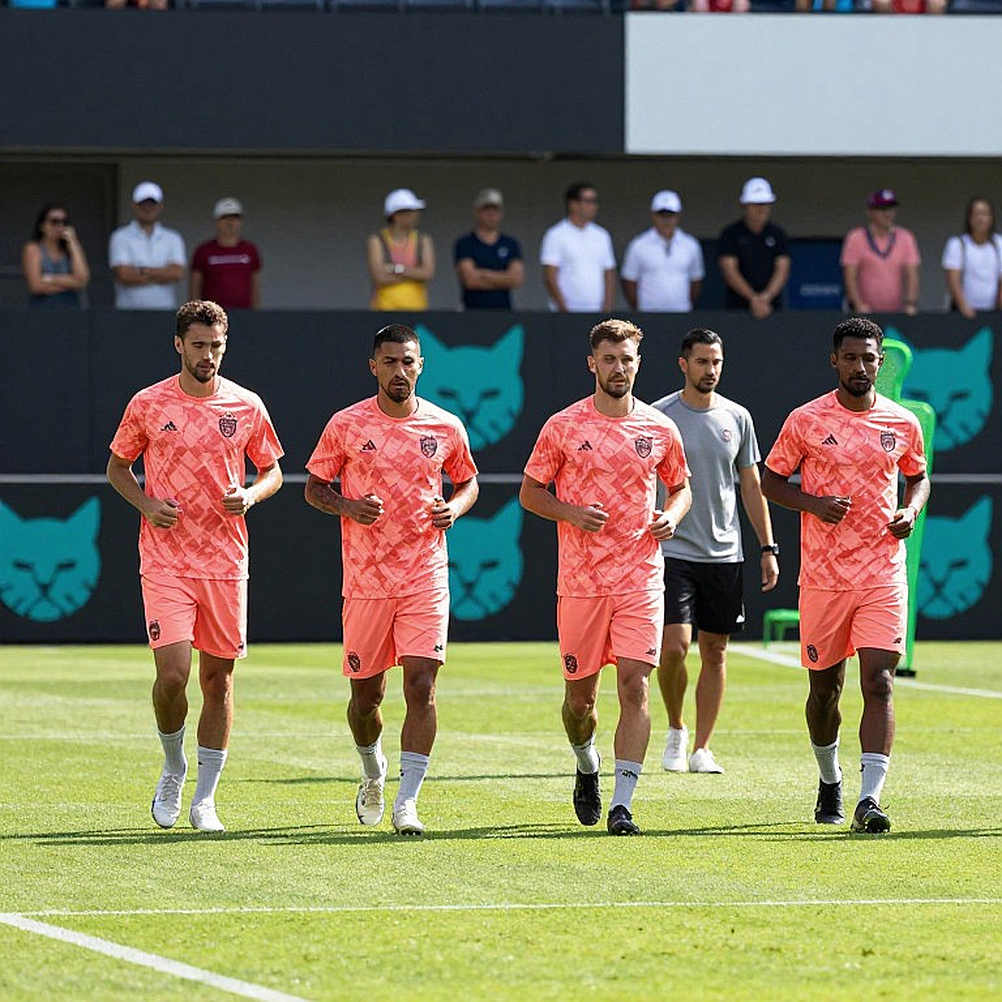
On the morning of September 14, Vietnam U23 national team completed their final professional meeting before the opening match at Asiad 2026. Head coach Đinh Hồng Vinh and the coaching staff reviewed video footage, analyzed opponents, and refined tactical plans — a preparation sequence I've witnessed hundreds of times across Asian youth national teams over 30 years of international football observation. But what's truly noteworthy isn't what was announced; it's what the group stage schedule reveals when placed on the analysis table.
Group C schedule in Nagoya follows this order: Kuwait (Sept 15) → Philippines (Sept 18) → Uzbekistan (Sept 22). This isn't random — it's strategy encoded in seed rankings. Vietnam U23 sit as the second challenger in the group, behind Uzbekistan — a team consistently reaching knockout rounds of Asian youth competitions with superior physical build and height advantage over Southeast Asian sides. Kuwait and Philippines are opponents where Vietnam has reasonable grounds to collect points.
This formula creates a point-accumulation lifecycle following the "solid start, free play finish" model. The first two matches — against Kuwait and Philippines — are fixtures requiring maximum three points to build foundation. The final match against Uzbekistan becomes a "free kick": if safety margin already exists, the team can manage workload and preserve key players for knockout rounds. If not yet secured, it's a match requiring at minimum one usable result. This is classic tournament-mini-league strategy that any coach applies when the schedule permits.
But the schedule poses a significant challenge: three matches in seven days, all in Nagoya during September — when humidity hovers around 75-85%, notably higher than in Hanoi or Ho Chi Minh City during rainy season. Head coach Đinh Hồng Vinh downplayed weather risk: "Weather conditions here are similar to Vietnam's rainy season, not a major obstacle." I note this as expectation management language — classic pre-match rhetoric reducing psychological pressure before kickoff. However, reality on the pitch will be the true test. With pressing intensity that Southeast Asian youth teams typically pursue, stamina in humid conditions becomes a variable that can decide results in the 70-80 minute range.
Regarding leadership structure, the team announced a four-tier command system: Phạm Lý Đức as captain, Cao Văn Bình (goalkeeper), Nguyễn Quốc Việt (forward), and Nguyễn Thanh Nhàn as vice-captains. This design reflects rotation management philosophy. The captain is a central defender — the position of stability, of reading matches from the back line. The three vice-captains include a goalkeeper and two attacking players, distributing leadership across both ends of the pitch. In a tournament where three matches in seven days mandate squad rotation, the "line-distributed leadership" model maintains discipline even when original starting XI players aren't on the pitch.
Phạm Lý Đức wearing the captain's armband at central defender isn't a common choice at youth level, where attacking players with higher visibility are typically preferred. This signals the coaching staff prioritizes defensive foundation as the team's cultural pillar — a choice fitting when facing opponents with superior physical attributes like Uzbekistan.
Professionally, the September 14 morning meeting comprised three elements: professional meeting, opponent video review, and tactical plan refinement. This sequence — which I've observed in national team press conferences from World Cup to continental youth tournaments — signals a system-based coaching staff, not an instinctive one. They're preparing based on actual opponent footage, not general impressions. This deserves recognition at U23 level, where many national teams still rely on personal experience over data analysis.
But acknowledgment is needed: this article carries official announcement character, not tactical report. No formation has been announced, no performance data exists (xG, PPDA, possession ratio), no detailed match roster. The team's actual tactical system — whether they play 4-3-3 or 3-5-2, whether they press high or defend actively — remains an unknown variable. The opening match against Kuwait on September 15 will be the first time the curtain rises.
One significant analytical blind spot: regulations regarding overage players at Asiad men's football go unmentioned in this source. Asiad tournaments typically allow registration of some players over 23 years old as "wildcards." Absence of information about whether Vietnam uses this provision represents a notable analytical gap, directly affecting squad depth and the team's advancement opportunities.
The opening match against Kuwait on September 15 isn't just the first match — it's the battlefield shaping the entire campaign's media cycle. A victory shifts the entire narrative toward "thorough preparation" and "grounded optimism." A negative result immediately transforms it into "form pressure" within 24 hours. Head coach Đinh Hồng Vinh set objectives following the "safety gate" model: first advance from group stage, then go deeper. This is tightly controlled expectation language — ambitious enough to maintain faith, humble enough not to create expectation collapse.
On September 14, the team visited the main competition venue — an activity both complying with pitch protection regulations and serving as psychological familiarization before the match. Empty stadiums don't create real advantages, but they eliminate environmental surprises — and that's what a professional coaching staff needs to control.
When I conclude this analysis, the only certainty I can affirm is that the group stage schedule has been designed favorably for Vietnam in the points sense. But Asian youth football always contains a paradox: Southeast Asian teams typically exceed resource-based expectations at regional youth events, but hit physical and structural ceilings against Central and West Asian sides. Uzbekistan in Asiad history represents a physical and height tier that no Southeast Asian team can match through technique alone. And their match is positioned last — not by accident.
The real question isn't whether Vietnam can exit the group. The question is: will points accumulated from Kuwait and Philippines create strategic space for the final match, or will everything be decided by the opening match result?
Cầu thủ liên quan
Bài đề xuất
Thanh Hóa FC's 3–2 victory and the AFC Pro license gap: 60 days will answer everything2026-09-06
Vietnam Await Hoang Duc's Return as Thailand Recall Their Stars: The Midfield That Will Decide the Final Ticket2026-09-16
Vietnam U23 vs Kuwait U23: The Error Margin of a Twelve-Month-Old Data Sample2026-09-15
CAND FC and the Promotion Puzzle: When 'Heavy Investment' Doesn't Guarantee Victory2026-09-04
Seven Days in Nagoya: Vietnam U23, a Leadership Council, and the Question Nobody Is Asking Right2026-09-14
U23 Vietnam Before Asiad 2026: Four Days, Two Goalkeepers and an Unsigned Deal2026-09-11
When Data Speaks About Defense: Vietnam National Team and the Pressing Puzzle Under Philippe Troussier2026-09-08
Bài đề xuất
Doan Van Hau and Doan Ngoc Tan: Reading a Collision Through Law 12 and a 2026 Precedent2026-09-12
Empty football analysis report: unable to write article when source data is missing2026-09-08
V.League and the Blind Spot of Evidence: Re-reading Vietnam's Transfer Market2026-09-15
The Blank Zones in Vietnamese Football Data: Notes from a Data Archaeologist2026-09-14
Kim Sang-sik's 5-Day Puzzle: When the Champion Has No Time to Prepare2026-09-04
Seven Days in Nagoya: Vietnam U23, a Leadership Council, and the Question Nobody Is Asking Right2026-09-14
Coach Kim Sang Sik Returns to South Korea: A One-Week Gap and the Preparation Question2026-09-13